Ben Bauer · 12 November 2026
Dynamic Resource Tracking in Autonomous Digital Enterprises Using Adaptive Assessment Lenses
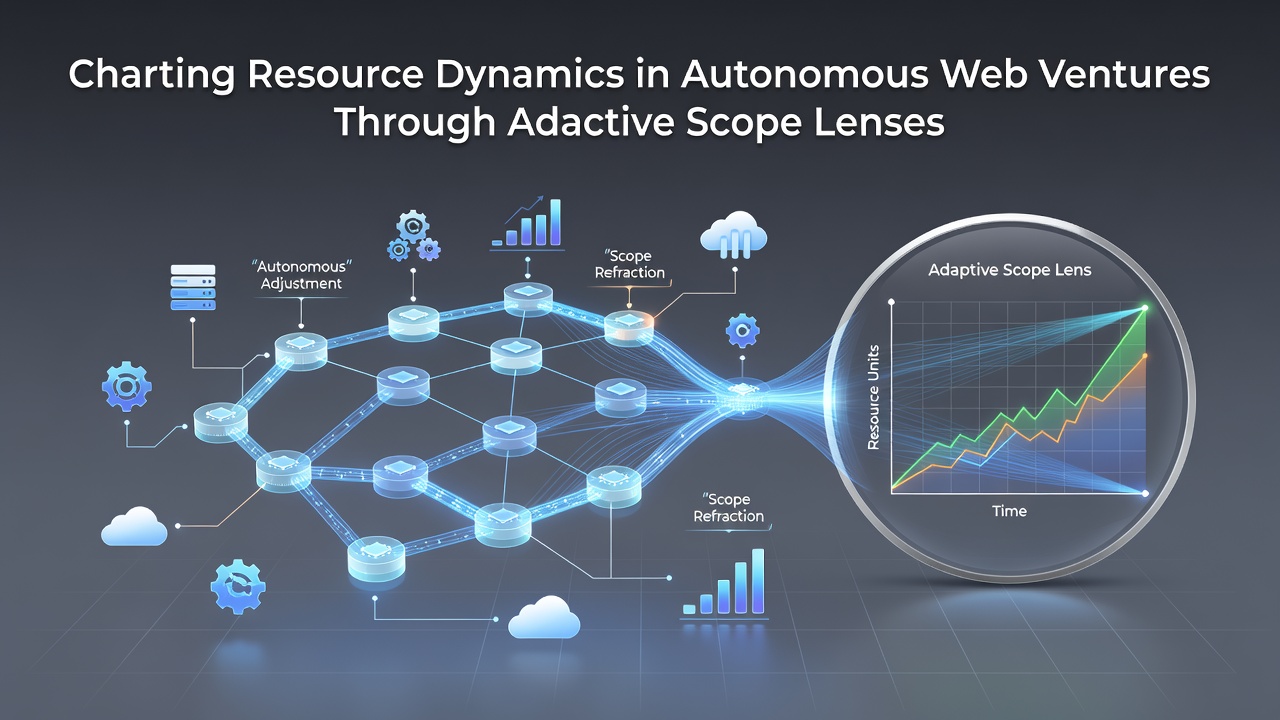
Independent web ventures operate in environments where resource allocation shifts occur rapidly due to changes in traffic patterns, platform algorithms, and market demands, and adaptive scope lenses provide structured methods for charting these movements over time. Observers note that such frameworks allow project managers to segment data streams into discrete evaluation periods while maintaining visibility across multiple operational layers simultaneously.
Core Components of Adaptive Scope Lenses
These lenses function through layered filtering protocols that isolate variables such as capital expenditure, content production cycles, and inbound link acquisition rates, then compare them against baseline metrics collected at earlier intervals. Research from digital economy reports indicates that organizations applying these protocols achieve clearer separation between short-term fluctuations and sustained directional changes in their operational footprints.
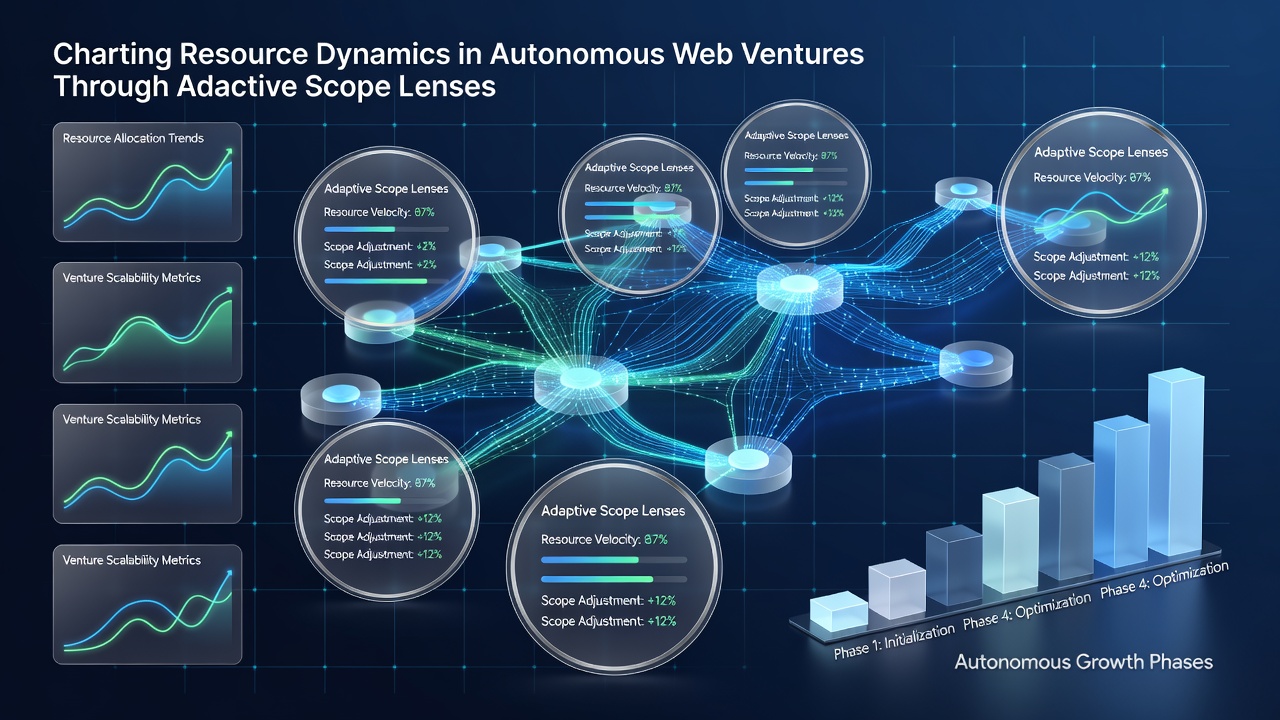
Implementation typically begins with definition of scope boundaries, which include time horizons, geographic reach, and functional domains relevant to each venture. Once established, data ingestion pipelines feed continuous inputs into visualization modules that highlight deviations exceeding predetermined thresholds, enabling timely recalibration of priorities without disrupting ongoing workflows.
Application in November 2026 Context
By November 2026, several independent site networks had integrated real-time scope adjustment features that responded to quarterly algorithm updates from major search platforms. Figures released by the OECD on digital entrepreneurship show increased adoption of modular tracking systems among solo operators managing portfolios across multiple domains, particularly those handling multilingual content distribution.
Case examples include ventures that used adaptive boundaries to reallocate server resources away from underperforming regional segments toward emerging audience clusters identified through traffic quality indicators. This approach preserved overall stability while permitting targeted expansion in areas demonstrating stronger engagement signals.
Integration with Broader Evaluation Methods
Adaptive scope techniques complement existing performance dashboards by introducing temporal flexibility that static reporting structures often lack. Data compiled by the Australian Productivity Commission on small business digital adoption reveals that firms combining scope-based segmentation with standard analytics suites reported improved accuracy in forecasting resource needs over twelve-month cycles.
Operators frequently establish review cadences aligned with external events such as regulatory announcements or seasonal traffic surges, adjusting lens parameters accordingly to capture relevant dynamics without introducing noise from unrelated variables. The result appears in more precise mapping of cause-and-effect relationships between resource decisions and measurable outcomes.
Challenges in Scaling These Frameworks
Scaling presents difficulties when ventures expand beyond single-domain operations into interconnected project clusters, because boundary definitions require periodic refinement to avoid overlap or omission of critical data points. Studies published through the U.S. Small Business Administration note that early-stage adopters sometimes encounter integration friction when merging scope outputs with legacy accounting systems, although middleware solutions have reduced these barriers in recent deployments.
Training requirements also factor into adoption rates, as team members must understand how to interpret layered visualizations and apply findings to concrete allocation choices. Workshops organized by industry research groups have addressed this through practical exercises that simulate resource shift scenarios drawn from actual venture histories.
Conclusion
Adaptive scope lenses continue to evolve as tools for charting resource dynamics within autonomous web ventures, supported by ongoing refinements in data processing capabilities and cross-platform compatibility standards. Organizations monitoring developments in this area track updates from multiple regulatory and research bodies to maintain alignment with best practices emerging across different regions.